
Coffee in Costa Rica is both an agricultural product and an everyday ritual. Understanding the growing region, processing method and brewing style helps you choose a bag you will enjoy and get more from a farm visit in Guanacaste.
Look for a producer, growing region or cooperative on the label, rather than relying on souvenir packaging.
Washed, honey and natural describe processing approaches. They are different from roast levels.
A tour can explain production throughout the year, but picking and active processing depend on the harvest.
Costa Rica’s coffee landscapes vary in elevation, rainfall and growing conditions. Regional names provide a useful starting point, but two farms within one region can produce quite different cups.
Producer choices matter too. Variety, ripeness at picking, fermentation, drying, storage and roasting all influence flavour. Treat broad descriptions such as bright acidity or chocolate notes as guidance rather than promises about every bag.
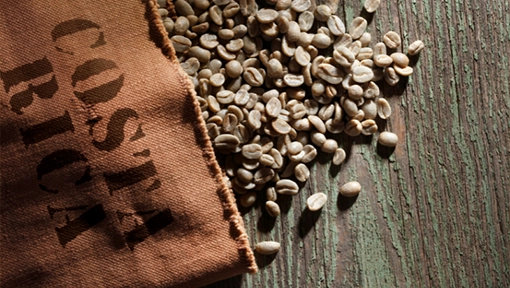
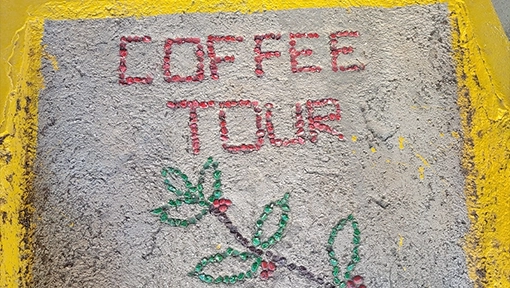
Coffee grows as a fruit, usually called a cherry. The seed inside becomes the bean used for roasting. After picking, producers remove fruit material and dry the coffee before milling and preparing it for sale.
In washed processing, much of the fruit is removed before drying. Honey processing leaves some sticky fruit material on the seed; it does not mean honey is added. Natural processing dries the fruit around the seed. Individual methods and results vary between producers.
A lighter roast may make origin characteristics easier to notice, while darker roasting can bring stronger roasted flavours. Neither is automatically better. Start with the flavours you enjoy and the way you brew at home.
Check the roast date, whether the bag contains whole beans or ground coffee, and whether the grind suits your equipment. Whole beans are useful if you have a grinder. If you do not, ask for an appropriate grind instead of buying a bag you cannot use.
For a gift, a clearly labelled local coffee with producer information is often more useful than a large mixed souvenir pack. Buy a manageable quantity and keep it sealed away from heat and moisture.
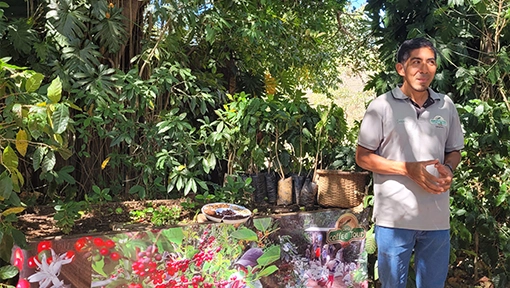
A chorreador holds a reusable cloth filter above a cup or pot. Ground coffee goes into the filter and hot water passes through it. It is a simple way to prepare coffee and a familiar part of Costa Rican home life.
Ask your host how they measure coffee and water. Recipes differ between households, and a tasting is an opportunity to learn rather than search for one supposedly authentic formula. A cloth filter also needs appropriate cleaning and drying between uses.
Visitors staying near Sámara can explore coffee culture around Hojancha without adding a separate journey to the Central Valley. Check the experience description for the actual location, travel arrangements, language and duration.
Ask which stages you will see on your dates. A walk through plants, a processing explanation, roasting and tasting are distinct activities. Do not assume all are included or that coffee will be harvested during every visit.
Our coffee experience page explains the local enquiry option. Use it to ask about availability and what your group can expect before making plans.
Ask where the coffee was grown, who processed it and how the producer chose the method. If sustainability matters to you, ask about specific practices such as shade management, water use or soil protection.
A certification is evidence of its own standard, not a guarantee of every environmental or social outcome. Clear information about the producer and supply chain gives you a stronger basis for a purchase than a vague green claim.
Use these local guides to choose an experience that fits your route and interests. For a specific enquiry, share your dates, group size and accommodation area.
The term normally describes processing with some fruit mucilage left on the seed during drying. It does not mean honey is added.
Some experiences operate outside harvest, but the activities differ. Confirm what is running on your travel dates.
No. Region, farm, variety, processing and roasting all influence the cup. Read the label and taste different examples where possible.
This guide brings together Tempisque Expeditions’ local travel context and practical planning advice. Confirm changeable details with the relevant provider before travelling.
Updated: September 2026