
Traditional food in Guanacaste has a strong connection to corn, home cooking and shared meals. Start with local tortillas, rosquillas and other regional preparations, then explore the everyday Costa Rican dishes served in sodas and family kitchens.
Ask about tortillas, rosquillas and corn based dishes prepared locally.
A soda is a small casual restaurant serving everyday meals. Menus vary by town and kitchen.
Daily specials and seasonal preparations can reveal more than a long menu aimed at visitors.
Corn is central to many Guanacaste food traditions and to the region’s Chorotega heritage. The same ingredient appears in savoury meals, baked snacks and drinks, with recipes changing between communities and families.
Not everything served in Guanacaste originated here. Gallo pinto, casados and arroz con pollo are enjoyed across Costa Rica. They belong in a visitor’s food itinerary, but should not replace the regional dishes that make this guide useful.
Handmade tortillas can be a highlight on their own, especially when served warm with local accompaniments. Rosquillas are ring shaped corn snacks often made with cheese and baked until firm or crisp. Ask a bakery or local cook what they have prepared that day.
Tamal asado is a baked corn based preparation whose texture and ingredients vary by recipe. Chorreadas are fresh corn pancakes, often served with natilla. They are found beyond Guanacaste too.
Some dishes are easier to find at community events, bakeries or family run kitchens than on a resort menu. Ask respectfully instead of assuming every establishment offers the same selection.
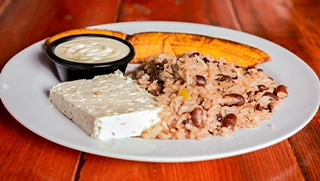
Gallo pinto combines rice and beans and is commonly eaten for breakfast with sides such as eggs, tortillas or plantain. A casado is a meal built around rice, beans, salad and a protein, with variations in the other sides.
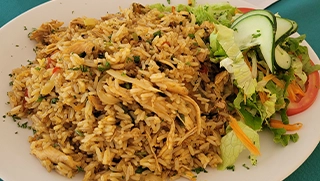
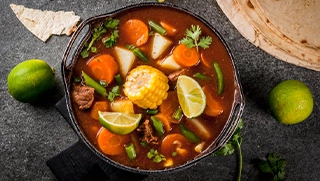
Arroz con pollo is seasoned rice with chicken and vegetables. Olla de carne is a beef and vegetable soup or stew, often accompanied by rice. These are familiar Costa Rican dishes and useful choices when you want a substantial lunch.
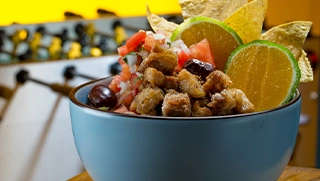
Chifrijo typically combines rice, beans, pork and fresh salsa. It is a Costa Rican bar favourite rather than a dish unique to Guanacaste.
Ask about the day’s refrescos naturales, which may be made with fruit, water or milk. Tell the server whether you want added sugar. Ingredient names and recipes vary, so ask if you have an allergy or dietary restriction.
Coffee is part of everyday hospitality and pairs naturally with an afternoon snack. A regional bakery may offer corn based preparations, while tres leches cake is another familiar dessert found across the country.
To understand the drink beyond the cup, read our guide to coffee in Costa Rica and consider a local coffee experience.
Look for sodas, bakeries, markets and locally hosted meals in the towns you are already visiting. Nicoya and Hojancha can add a food and culture dimension to a stay near Sámara without making every day a long excursion.
A cultural visit in Matambú can provide context for local traditions. Check the current experience description and ask which food activities or meals are included. Do not assume a demonstration, hands on class and full meal are interchangeable.
Pay fairly for demonstrations and meals. Ask permission before photographing cooks or private kitchens, especially when an experience takes place in someone’s home.
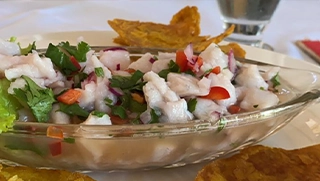
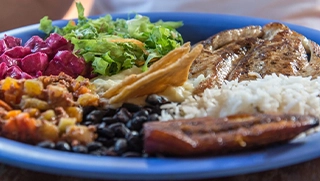
Rice, beans, tortillas and vegetables offer useful starting points, but a dish that looks vegetarian may contain stock, lard or other animal ingredients. Cheese and natilla are common accompaniments, and corn based food is not automatically suitable for every allergy.
Explain dietary needs before booking a hosted meal. Useful phrases include ‘sin carne’ for without meat and ‘sin lácteos’ for without dairy. For a serious allergy, communicate the ingredient and the importance of avoiding cross contact explicitly.
Use these local guides to choose an experience that fits your route and interests. For a specific enquiry, share your dates, group size and accommodation area.
It is a small, usually casual restaurant serving everyday meals, often with a menu or daily special.
No. It is eaten widely across Costa Rica. Guanacaste also has regional corn based preparations worth seeking out.
Check the current package and confirm what is included for your group. Meals and demonstrations vary by experience.
This guide brings together Tempisque Expeditions’ local travel context and practical planning advice. Confirm changeable details with the relevant provider before travelling.
Updated: September 2026