
Costa Rica’s Blue Zone is associated with the Nicoya region and research into exceptional longevity among older residents. For travellers, its most meaningful side is the opportunity to learn about food, community and everyday life with respect for the people who live here.
The Blue Zone idea refers to population research and local ways of life, not one attraction with an entrance gate.
Learn about food and community without expecting a holiday to produce a health outcome.
Choose hosted experiences and ask permission before photographing people or entering private spaces.
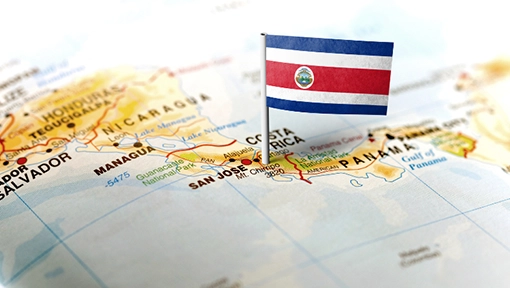
The term is commonly linked to the Nicoya Peninsula in northwestern Costa Rica. Nicoya is also the name of a town and a canton, so travel descriptions can be confusing. The peninsula is a broad area with different towns, landscapes and communities.
When an experience advertises a Blue Zone visit, ask for the actual meeting point and itinerary. A beach hotel on the peninsula, a cultural visit in Matambú and a conversation with a local cook are very different experiences.

Population research has examined unusually favourable survival patterns among older people in the Nicoya region, particularly men in studied cohorts. This does not mean that all residents reach exceptional ages or that the same pattern applies equally to every generation.
Descriptions of the region often highlight food, everyday movement, family relationships and a sense of purpose. These themes help explain the public interest, but observation of a population cannot establish that one habit alone causes a longer life.
A cultural tour is an opportunity to listen and learn. It is not medical treatment, and no food, water source or travel package should promise longevity.
Corn, beans and home prepared meals are recurring themes in descriptions of Nicoyan life. A conversation about how a family prepares tortillas can reveal skills, memories and relationships that a generic wellness slogan misses.
Food traditions differ between households and change over time. Avoid imagining that everyone follows a fixed diet or lives exactly as previous generations did. Ask what your host actually cooks and why it matters to them.
Our Guanacaste food guide introduces dishes you may encounter and explains the difference between regional preparations and meals found throughout Costa Rica.
Choose an experience with clearly identified local hosts, an agreed itinerary and transparent payment arrangements. Matambú offers a connection to Chorotega culture, but it is a living community rather than an exhibit.
Ask before taking portraits or recording stories. Older residents are not attractions and should never be expected to receive visitors simply because the area is known for longevity. A host can explain what is appropriate and which activities are available.
A paid cultural experience supports the time and knowledge involved in welcoming visitors. Follow the host’s guidance and leave room for a genuine conversation.
For travellers staying near Sámara, a cultural day inland can complement time on the coast. Consider a hosted visit, a local meal or a coffee experience rather than combining too many distant stops.
Check transport, language, duration and meal arrangements before confirming. Share dietary and mobility needs in advance. Leave time between activities, particularly when rural roads or wet weather affect the journey.
Look for a specific description of the people, place and activity. A cooking demonstration, farm visit and guided cultural conversation should each explain what the guest will do and what is included.
Be cautious of promises about detoxification, disease prevention or adding years to your life. The strongest reason to visit is the chance to understand a place through its residents and support local knowledge fairly.
Use these local guides to choose an experience that fits your route and interests. For a specific enquiry, share your dates, group size and accommodation area.
The term refers to a region and longevity research, not one attraction. Confirm the actual location of any advertised experience.
A visit can provide cultural learning, but it cannot promise a health benefit or a longer life.
Do not assume this is part of a visit. Any meeting must be voluntary, appropriately arranged and respectful of privacy.
This guide brings together Tempisque Expeditions’ local travel context and practical planning advice. Confirm changeable details with the relevant provider before travelling.
Updated: September 2026