
Barra Honda National Park protects a limestone cave system beneath Guanacaste’s tropical dry forest. You can hike above ground without entering a cave, but any cavern visit requires advance planning, an authorised guide and the current safety instructions from the park.
The park offers two very different experiences. Decide first whether you want a surface hike, a guided cavern visit or both, because the preparation, timing and physical demands are not the same.
On the Nicoya Peninsula in Guanacaste, northeast of the city of Nicoya.
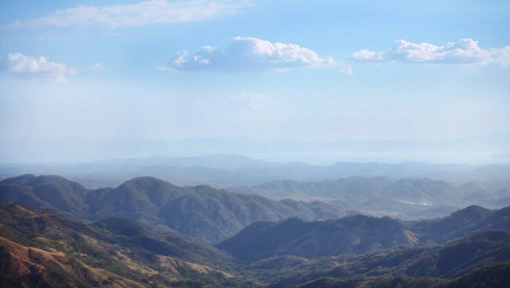
Limestone caverns, tropical dry forest, wildlife and viewpoints over the Tempisque landscape.
Cavern access requires a reservation and an authorised guide. Current availability must be confirmed before travel.
Most travellers associate Costa Rica with volcanoes, rainforests and beaches. Barra Honda adds a geological landscape that is unusual within the country’s national park system.
Barra Honda was established as a national park in 1974 to protect caverns formed in ancient limestone. Water moving through the rock created stalactites, stalagmites and other mineral formations over a very long period.
The official park brochure records dozens of caverns, but only designated areas are prepared for visitors. Access changes according to safety and conservation conditions, so a visible cave entrance is never an invitation to explore independently.
Both options are worthwhile, but they suit different travellers. Use this comparison before reserving transport or committing your group.
Main experience: A controlled vertical descent followed by an underground route past limestone formations.
Guide: An authorised park guide is required.
Reservation: Reserve in advance and confirm which cavern is operating.
Best for: Active visitors who are comfortable with heights, enclosed spaces and following strict safety instructions.
Main experience: Tropical dry forest, marked trails, wildlife and viewpoints across the Tempisque landscape.
Guide: Ask whether a guide is required or recommended for your chosen trail.
Reservation: Confirm the current park entry and ticket arrangements.
Best for: Travellers who prefer hiking above ground or do not meet the requirements for cavern entry.
Simple decision: Choose the cavern visit for a structured adventure with a vertical descent. Choose the surface hike for more flexibility and no enclosed spaces. If your group has mixed comfort levels, ask whether the activities can be coordinated separately.
The cavern visit is not a casual walk through a wide, level cave. It is an organised adventure activity with strict procedures.
The official park information describes a descent using a fixed ladder together with speleology safety equipment. Visitors must follow the guide’s instructions, enter one at a time when directed and remain on the defined route inside the cavern.
The park brochure identifies Terciopelo and La Cuevita as visitor caverns, while the current Costa Rica Tourism Board page highlights Terciopelo. Ask the park which option is operating for your date rather than assuming that both are available.
The official safety guidance does not recommend cavern entry for people affected by vertigo, claustrophobia or hypertension. Travellers should also disclose mobility limitations and ask about minimum age requirements before booking.
If one person in your group prefers not to descend, an above ground visit can still provide a meaningful experience of the park.
You do not have to enter a cave to visit Barra Honda. The forest above ground gives the park a second identity that many short descriptions overlook.
Trails cross tropical dry forest, a seasonal ecosystem that looks very different from Costa Rica’s wetter regions. During the drier months, many trees lose their leaves and the landscape opens up. In wetter months, vegetation becomes greener, but paths can be more slippery.
The official visitor information mentions lookout points with views towards the Tempisque River landscape. Wildlife recorded in the park includes howler monkeys, white faced capuchins, coatis, armadillos and a range of dry forest birds. Wildlife sightings are never guaranteed, particularly during the hottest part of the day.
Ask which trail and viewpoint are open, how long the route takes and how much elevation it includes.
Carry sufficient water and start prepared for exposed, hot conditions in Guanacaste’s dry forest.
Stay on marked trails, do not feed wildlife and leave rocks, plants and cave formations untouched.
This is the part of the visit that should be checked shortly before departure because official information is not completely consistent across current sources.
SINAC lists general park hours from 8:00 a.m. to 4:00 p.m. and a last cavern descent at 1:00 p.m. The Costa Rica Tourism Board currently lists cave visits until 2:00 p.m. Because these official sources differ, contact the park directly and arrive well before the confirmed time.
The official brochure states that cavern reservations are required and provides the park telephone numbers +506 2659 1551, +506 8721 2444 and +506 8539 1010. It also says tickets are purchased at the entrance using a credit or debit card. Confirm the current reservation process, price and payment method when you contact the park.
The brochure sets a maximum of ten visitors per cavern group and seventy cavern visitors per day. Limited capacity is another reason not to arrive without arranging the underground visit first.
The national park is northeast of Nicoya. The final approach leaves the main regional roads, so check the route and recent road conditions before setting out.
The Costa Rica Tourism Board places the park about 12 miles northeast of Nicoya. Follow the signed route towards Barra Honda and Nacaome, and make sure your map leads to the official administrative entrance.
Plan Barra Honda as a dedicated excursion rather than a quick stop. If you are not driving, arrange both directions in advance because public transport may not match the cave reservation time.
Travel times and road conditions can change. Build in enough time for the final road, parking, ticket purchase and the safety briefing.
Pack for a hot forest hike even when the cavern itself feels cooler. Follow any additional equipment instructions provided with your reservation.
Closed hiking shoes with grip, light clothing and a change of clothes if recommended for your activity.
Enough water, sun protection, insect repellent and a small bag that leaves your hands free.
Pets, valuables in the car and packaged snacks in single use plastic, which the official guide does not permit.
Barra Honda works especially well for travellers staying on the Nicoya Peninsula who want a contrast to beach days.
If geology and adventure are your priority, dedicate enough time to the cave reservation and the walk required to reach it. If you prefer a gentler day, focus on the surface trails and combine the wider route with a cultural stop on a separate visit.
For more planning ideas, explore our guide to Sámara and Guanacaste, compare tours and day trips in Guanacaste, or learn about Chorotega pottery in our Guaitil visitor guide. A visit to Matambú has a different focus and should be planned as a cultural experience rather than presented as part of the national park.
These answers are based on current official information. Confirm operational details with the park before travelling.
No. Official park information requires visitors to use an authorised guide for cavern entry and to follow the park’s safety procedures.
A cavern visit requires a reservation. For a surface visit, confirm the current ticket and entry arrangements directly with the park.
Yes. Barra Honda also has tropical dry forest trails and viewpoints. Ask which routes are open and what level of effort they require.
Suitability depends on the child, the cavern currently open and the park’s minimum age rules. La Cuevita has historically been presented as the smaller option for younger visitors, but availability and age requirements must be confirmed before booking.
The official park brochure says the park can be visited throughout the year, including cavern access during the rainy season. Weather and safety conditions can still affect individual dates, so verify access shortly before your visit.
The time depends on whether you choose a surface trail, a cavern visit or both. Ask for the meeting time, walking duration, safety briefing and expected finish before arranging onward transport.
Operational details can change. The park itself remains the final authority for reservations, safety restrictions and access on your chosen date.
Tell us your dates, group size and where you are staying. We can help you place Barra Honda within a realistic itinerary and suggest relevant local experiences without presenting a partner activity as our own tour.