7-Day Guanacaste Itinerary: Beaches, Wildlife and Local Culture
A flexible seven-day route through Guanacaste, using Liberia and Sámara as two main bases for beaches, wildlife and local culture.

A flexible seven-day route through Guanacaste, using Liberia and Sámara as two main bases for beaches, wildlife and local culture.
A good Guanacaste itinerary should give you time to enjoy the region, not just drive across it. For most travelers with one week, we recommend choosing two main bases: three nights in or near Liberia and three nights on the southern Guanacaste coast around Sámara. This creates a practical route for waterfalls, wildlife, local culture, and beach time while keeping hotel changes to a minimum.
This plan works particularly well for travelers flying through Daniel Oduber Quirós International Airport in Liberia. If you are arriving through San José, add a separate transfer day or adjust the route rather than assuming that the same schedule will work.
The itinerary is intentionally flexible. Driving conditions, attraction access, rain, and tour schedules can change, so use each day as a planning framework rather than a minute-by-minute promise. For more ideas before choosing your priorities, explore our guide to things to do in Guanacaste.
Arrival, rental car or transfer, and an easy evening
Pace: Light
Palo Verde wildlife and wetland day
Pace: Moderate
Llanos de Cortés Waterfall and time in Liberia
Pace: Light to moderate
Relocate to the coast and enjoy the beach
Pace: Transfer day
Matambú cultural experience or an inland cultural alternative
Pace: Moderate
Flexible beach, nature, or weather-buffer day
Pace: Flexible
Return toward Liberia airport
Pace: Transfer day
If your flight on day seven leaves early, spend the final night closer to Liberia airport. That adds one hotel change, but it is usually more sensible than starting a long airport transfer before dawn.
Guanacaste is larger and more varied than it can appear on a map. Beaches that look close together may be connected by slower roads, while inland attractions can require backtracking if you choose the wrong base.
Using Liberia and Sámara as the two main bases keeps the trip focused:
This is not a checklist of every famous Guanacaste destination. Trying to include the northern beaches, Sámara, Tamarindo, multiple national parks, and the Nicoya Peninsula in seven days would create more driving than most travelers expect.
Keep your arrival day simple. Pick up your rental car or meet your arranged transportation, check in, and give yourself time to recover from the flight. Liberia is a practical first base because it avoids a long coastal transfer immediately after arrival.
If you land early and still have energy, take a walk through central Liberia or have a relaxed meal. Avoid committing to a timed excursion on the same day as an international flight. Immigration, baggage collection, vehicle paperwork, and traffic can all affect your schedule.
Choose either central Liberia or accommodation outside the city with straightforward access to the main roads. Central lodging is useful for restaurants and supplies. A rural property may feel quieter, but check road access, meal availability, and nighttime navigation before booking.
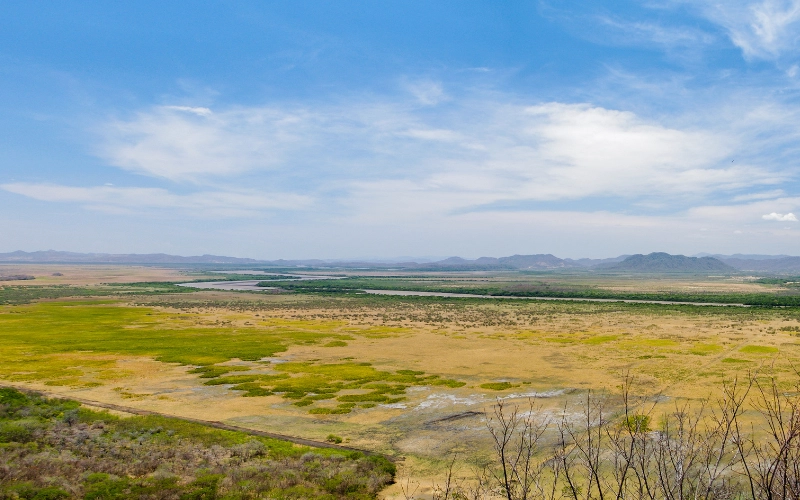
Use your first full day for the wetlands and seasonal landscapes associated with Palo Verde National Park. The area is especially valued for birdlife, but wildlife is never guaranteed and conditions vary throughout the year.
Before choosing a visit format, read our Palo Verde National Park guide. Confirm the current meeting point, transportation arrangements, park access, duration, and what is included with the relevant operator before booking.
Do not add another distant attraction to this day. A wildlife outing is more enjoyable when you are not watching the clock or trying to reach a beach town before dark.
Rain does not automatically make a wetland visit unsuccessful, but heavy weather may affect roads, visibility, boat operations, or access. Keep day three flexible so you can exchange the two days if current conditions make that practical.
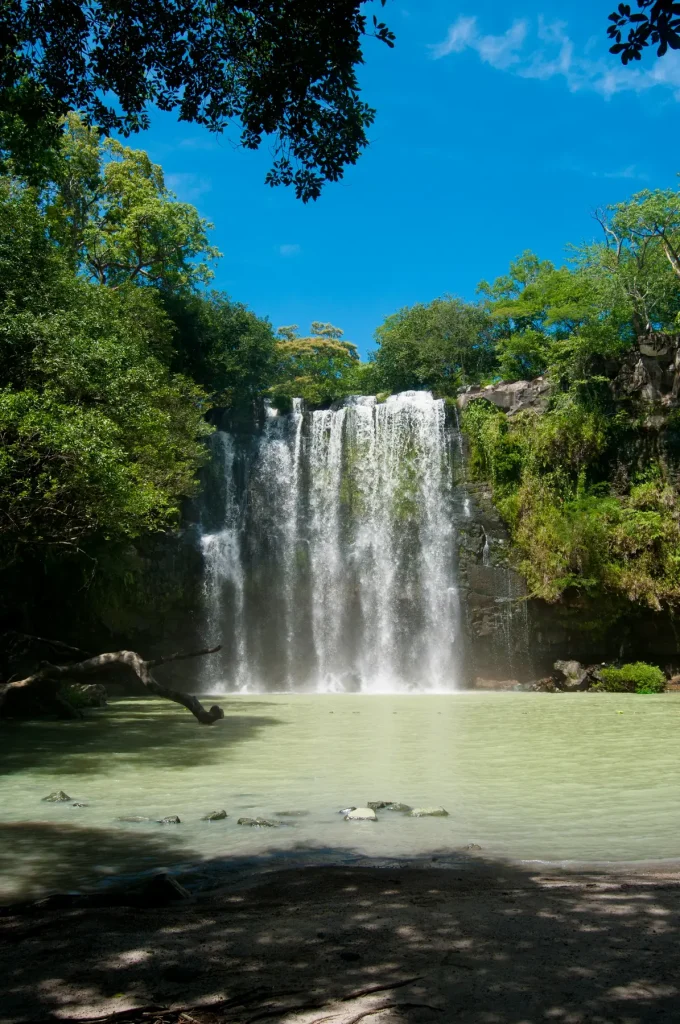
Plan a half-day visit to Llanos de Cortés Waterfall, leaving part of the day free for Liberia, a long lunch, or downtime at your accommodation. This balance helps prevent the first half of the trip from becoming overloaded.
Check current access rules, opening arrangements, road conditions, and swimming guidance shortly before your visit. Water levels and local restrictions can change, particularly following significant rain. Our Llanos de Cortés Waterfall guide is the starting point for planning, but current conditions should still be confirmed.
Wear footwear suitable for wet or uneven ground and protect electronics from spray and rain. If access is restricted, use the day for Liberia or another nearby activity rather than replacing it with a long cross-province drive.
Check out after breakfast and relocate to the Sámara area. Treat this as a transfer day, even if navigation apps suggest that you have time for several stops. Roadworks, weather, fuel stops, and slower local roads can extend the journey.
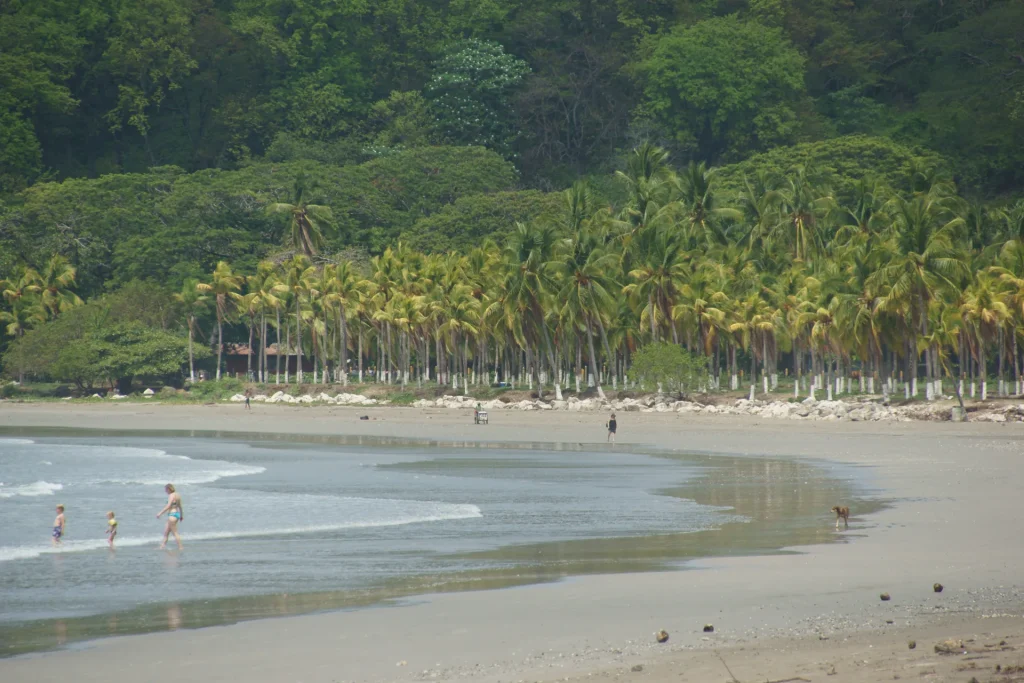
Once you arrive, check in and spend the rest of the day at the beach or exploring town. This is the first dedicated beach afternoon in the itinerary, so there is no need to turn it into another excursion.
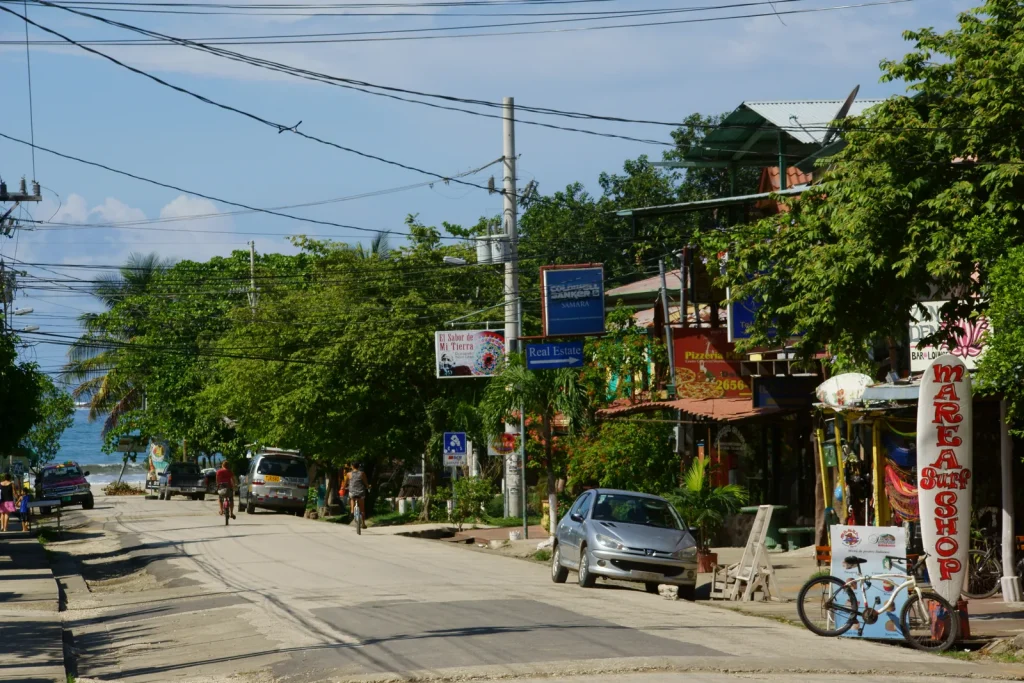
We have deliberately avoided giving fixed minute-by-minute estimates. Travel times in Guanacaste depend on your exact hotel, chosen route, road surface, construction, rain, and traffic. Check a live navigation service shortly before departure and compare the suggested route with guidance from your accommodation or rental company.
As a planning rule, consider the Liberia-to-Sámara journey a meaningful relocation rather than a quick hop. Leave in daylight, start with enough fuel, and avoid scheduling a nonrefundable activity immediately after your expected arrival.
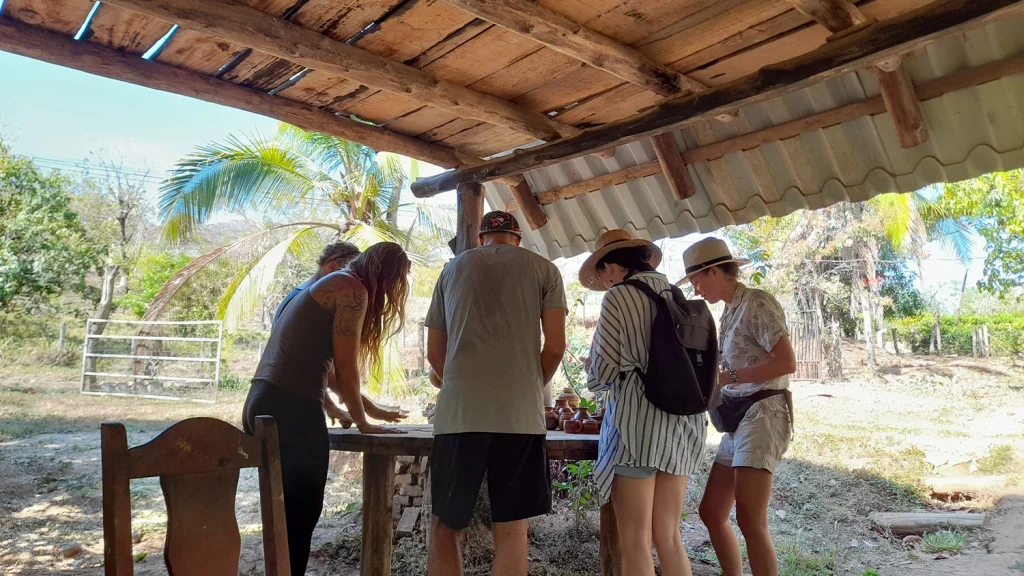
A beach-only itinerary misses an important part of Guanacaste. Set aside day five for an inland cultural experience connected with Matambú and the region’s living traditions.
Review the available information about a Matambú cultural tour, then confirm the date, meeting arrangements, transport, duration, accessibility, and included activities directly before building the rest of your day around it. Direct or locally coordinated Matambú inquiries are distinct from excursions offered by outside partner providers.
A cultural visit should not be treated as a quick photo stop. Leave enough time to listen, learn, and participate respectfully. Follow your host’s guidance about photography, private spaces, and appropriate behavior.
If a Matambú experience is not available on your dates, consider an inland coffee-focused activity. Start with the coffee tour information and verify the location, operator, seasonal format, transport, and booking process. Do not assume that every coffee experience is operated directly by Tempisque Expeditions or that it departs from Sámara.
Keep the final full day open. You can spend it swimming, walking the beach, taking a nearby nature outing, or returning to an activity that weather disrupted earlier in the week.
This uncommitted day is one of the most useful parts of the itinerary. Travelers often plan every morning and afternoon before arriving, only to discover that they want more time at the beach or need to rearrange an excursion because of rain.
During the generally drier part of the year, prioritize outdoor activities early in the day and protect the middle of the day for shade, lunch, and rest. Popular lodging and organized activities may require earlier reservations around peak travel periods.
During wetter months, put your most weather-sensitive activity in the morning when practical and keep a second option available. Rain patterns are not identical every day, and a rainy forecast does not necessarily mean continuous rain. However, heavy rainfall can affect unpaved roads, river conditions, visibility, and attraction access.
Do not attempt flooded roads or water crossings based only on a navigation app. Ask locally about current conditions and follow official closures and rental-company restrictions.
Leave enough time for the drive, fuel stops, rental-car return, airport procedures, and unexpected delays. The right departure plan depends on your flight time.
Keep arrival day free of fixed excursions
Check: Airport and rental-car delays
Plan as a dedicated day outing
Check: Exact access point and seasonal conditions
Combine with a relaxed local afternoon
Check: Current access and water conditions
Reserve a relocation day
Check: Route, traffic, weather, and roadworks
Confirm logistics before departure
Check: Meeting point and who provides transportation
Build in a substantial buffer
Check: Flight time and vehicle return
A rental car offers the most flexibility for this route, especially when moving between inland attractions and the coast. It is not the only option, but travelers without a car should arrange transfers and excursion pickups before finalizing accommodation.
Do not assume that a four-wheel-drive vehicle is always required or never required. Ask the rental company and each accommodation about the exact roads you expect to use, particularly during wetter months. Review insurance terms, roadside-assistance procedures, and restrictions on unpaved roads or water crossings.
Confirm these details before paying for hotels, transportation, or activities:
Pack for both heat and rain rather than relying only on a seasonal label. Inland conditions and the coast can feel different on the same day.
Seven days is enough for a focused Guanacaste trip if you limit yourself to two main bases. It is not enough to see every major beach, park, volcano area, and peninsula town without spending much of the vacation in transit.
The right beach base depends on your priorities. This itinerary uses Sámara because it creates a practical southern route with access to beach time and inland cultural options. Tamarindo or the Papagayo area can work for a different itinerary focused on the northern coast, but substituting either one changes the driving plan.
You can, but it would no longer be a relaxed one-week Guanacaste itinerary. Adding Arenal usually means another hotel change and less time for beaches, Palo Verde, or local culture. Travelers who want both regions should consider extending the trip.
The two-base structure can work well for families because it reduces packing and hotel changes. Confirm age limits, seating requirements, walking conditions, swimming safety, and restroom availability for every activity before booking.
Yes, but the logistics require more preparation. Choose accommodation with accessible dining, confirm transfers between Liberia and Sámara, and verify pickup areas for each excursion. Do not assume that rideshare services or taxis will be readily available for every rural journey.
The answer depends on whether you prioritize drier weather, greener scenery, wildlife interests, availability, or budget. Seasonal patterns provide useful guidance, but they do not guarantee daily conditions. Confirm current road and attraction information close to your travel dates.
The most successful seven-day route is not the one with the longest activity list. It is the one that matches your flight times, preferred pace, weather, and interests while leaving room for Guanacaste to feel like a vacation.
Build your Guanacaste experience plan by choosing your two bases first, then confirming one wildlife day, one cultural day, and the activities that matter most to you. When considering Matambú or another locally coordinated experience, verify the exact arrangements and provider before finalizing the rest of your route.