
The best time to visit Costa Rica depends on your route. For a beach focused trip to Guanacaste, the drier months are usually the simplest choice. For greener landscapes or a Caribbean itinerary, different months can make more sense.
Start by considering the drier part of the year, generally December through March, with April transitional.
Consider the wetter season with flexible plans and room for changes to outdoor activities.
Use a separate weather pattern. Its relatively drier periods differ from the Pacific coast.
Costa Rica’s mountains and two coastlines create different rainfall patterns. A countrywide label such as dry season is useful shorthand for some routes but can mislead travellers elsewhere.
Start with the place you most want to visit, then choose dates that fit its conditions. If your priority is Sámara and Guanacaste, do not let a rainfall average for the Caribbean decide the trip.
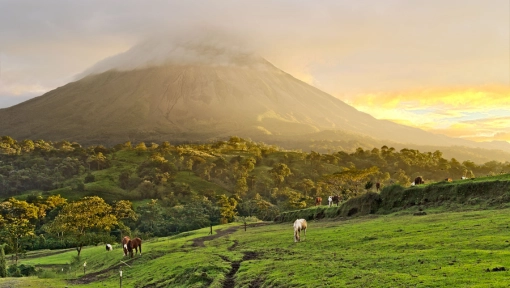

Official climate guidance describes the Pacific dry season as December through March, with April a transition month. Rain is more established from May through October, while November is transitional. Year to year conditions still vary.
Guanacaste can become hot and visibly dry towards the end of the drier period. Visitors expecting green forest beside every beach may prefer another part of the year. During wetter months, keep outdoor plans flexible rather than assuming rain will always be brief.
The Caribbean does not have the same well defined dry season. Official guidance identifies relatively drier coastal periods around February and March, and again in September and October.
That means months often considered very wet on the Pacific can be worth considering for a Caribbean route. Relatively drier does not mean rain free, so use a current regional forecast close to departure.


January through March are a useful starting point for travellers prioritising drier Pacific conditions. Plan busy travel dates early, especially when the itinerary depends on a particular accommodation or experience.
April is a transition period and Easter dates can influence demand. May and June suit travellers willing to adapt plans as the wetter season develops. July and August can bring a relative rainfall break, but it is not guaranteed.
September and October call for particular flexibility on Pacific routes. November is transitional. December can combine improving Pacific conditions with strong holiday demand. Keep travel days realistic and check local access before remote excursions.
A beach holiday, birdwatching visit, coffee experience and turtle excursion do not share one perfect calendar. Ask the operator what can realistically be seen or done on your dates.
Harvest activity depends on the coffee producer and season. Turtle nesting varies by species and beach, and mass nesting events should not be promised for a fixed date. Surf conditions depend on swell, wind and the individual break, so ask an instructor about a suitable session rather than choosing solely by season.
Cultural experiences can fit different times of year, subject to host availability. They can add variety when your trip would otherwise depend entirely on outdoor weather.
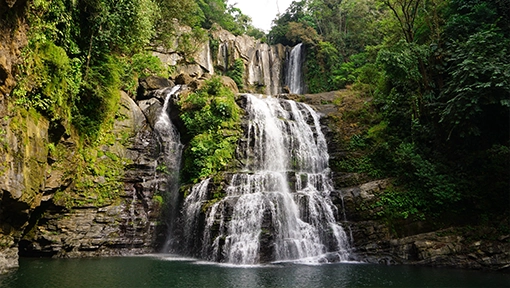
Bring sun protection for the coast, rain protection for wetter destinations and an extra layer for cooler highland stops. Choose footwear for the activities you have booked.
Allow room for a changed excursion or a slower drive. A flexible morning and a locally hosted meal can be more useful than a schedule packed with commitments. Read our travel tips guide for transport, packing and enquiry planning.
Use these local guides to choose an experience that fits your route and interests. For a specific enquiry, share your dates, group size and accommodation area.
No. Regional rainfall, travel demand and the activity you want should guide your choice.
Its landscapes can look much drier towards the end of the dry period. Wetter months bring a different appearance and different planning considerations.
Not necessarily, but prolonged rain is possible. Keep plans flexible and check current local conditions rather than relying on a fixed daily pattern.
This guide brings together Tempisque Expeditions’ local travel context and practical planning advice. Confirm changeable details with the relevant provider before travelling.
Updated: September 2026